

How to Stay Healthy While Traveling Alone Without Missing the Entire Point of Travel
Nobody else is holding the rhythm for you. That doesn't mean turning the trip into a wellness retreat.
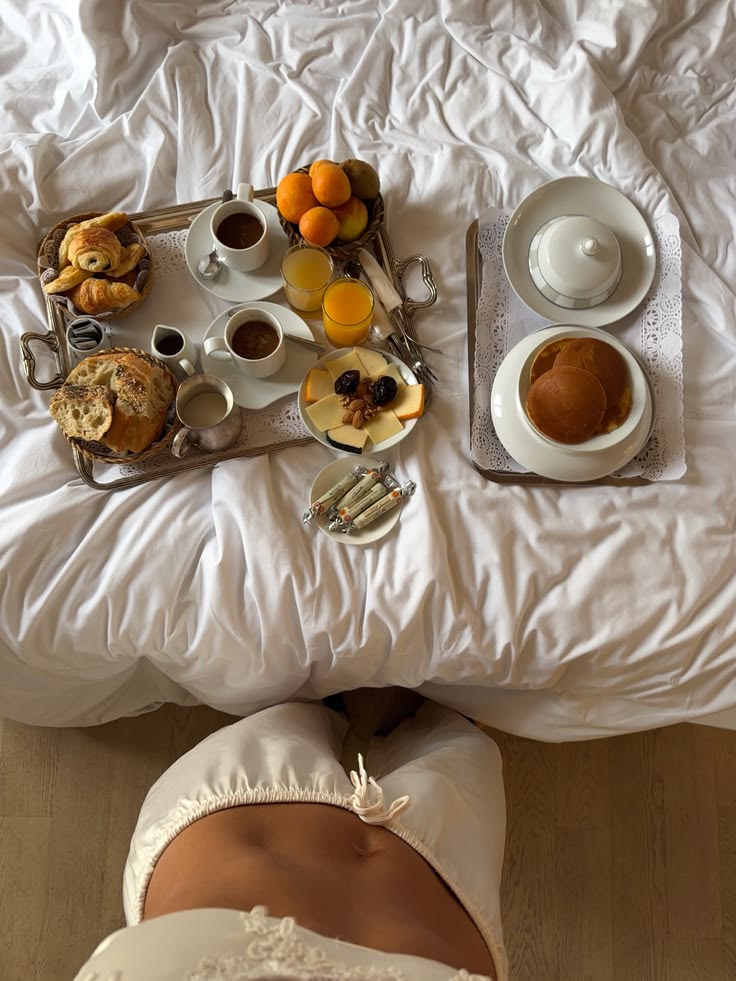
You land in Italy.
There is pasta. There is wine. There is gelato at 4 p.m. for reasons nobody has to justify.
And somewhere in the back of your head, a small anxious voice asks: but where exactly is my protein coming from this week?
Travel disrupts almost everything your body normally runs on.
You eat at different hours. You sleep in unfamiliar beds. You walk 20,000 steps one day and sit on a train for six hours the next. You drink more wine and less water. You cross time zones. You stay out late and then get up at 5:40 because apparently every beautiful place must also be experienced at sunrise.
And when you're traveling alone, there's one more difference that nobody warns you about:
Nobody else is holding the rhythm for you.
Nobody says it's time for lunch. Nobody has a spare water bottle when you forgot yours. Nobody suggests going back because you're both wrecked. Nobody notices that you have been running since 8 a.m. on two espressos and half a croissant.
You're responsible for the adventure. You're also responsible for the body carrying you through it.
The fix isn't turning your trip into a wellness retreat. You do not need to locate your specific protein powder in Lisbon, maintain a twelve-step morning routine in Bangkok, or refuse a perfect pain au chocolat in Paris because it doesn't match your usual breakfast.
The actual goal is simpler:
Build enough stability that your body can handle the instability that makes travel worth doing.
Here's how.
01 · Stop trying to eat exactly like you do at home
You are somewhere else. Let somewhere else be somewhere else.
Breakfast will be different. Dinner might not start until 10 p.m. The supermarket won't have your things. Portions will be strange. The food might involve more bread, more rice, more oil, or ingredients you almost never touch.
That's not a problem to solve. That's the trip.
Trying to reconstruct your exact home diet in every country turns travel into admin, and it costs you one of the best ways to actually understand a place.
Eat the food.
Just don't confuse enjoying local food with abandoning every habit that keeps you feeling good. You can do both at the same time, all week.
02 · Give yourself one reliable meal a day
Not every meal needs to be well constructed. That's a fast route to turning a vacation into a project.
Pick one anchor instead.
Maybe breakfast is it: eggs, yogurt, fruit, something substantial before the day starts moving you around. Maybe it's lunch, fish and rice and vegetables in the middle of the day. Maybe you know that wherever you end up, dinner will be a real sit-down meal.
One dependable meal creates a surprising amount of structure around a day that could otherwise consist of pastry, coffee, more coffee, and whatever is still open at 9:30 p.m.
You don't need a perfect diet. You need enough actual food in you.
03 · Remember that protein exists
Travel days quietly become: coffee, pastry, fruit, gelato, another coffee, an aperitivo, some bread.
Then you're inexplicably ravenous and slightly unhinged at 11 p.m.
You don't need to count anything unless that's already something you do for a specific reason. Just check in occasionally.
Eggs, yogurt, fish, meat, cheese, tofu, beans, lentils, nuts. A real meal instead of a fourth snack.
The useful question isn't how do I optimize my intake in Rome. It's simply: have I eaten anything substantial today?
04 · Go to the supermarket
Supermarkets are one of the most underrated things you can do in a foreign country.
Go, even if you're in a hotel with no kitchen.
You find out what people actually eat here. What the yogurt situation is. What fruit is in season. Which cookie occupies an inexplicable amount of national shelf space. What costs one euro and what costs eight.
Practically, it also solves a lot of problems. Buy things you can keep around: fruit, nuts, cheese, crackers, bread, something for tomorrow's breakfast, something to throw in your bag.
You don't need to cook. You just need an option that isn't restaurant or starvation.
05 · Carry emergency food
There is one version of you who should never be trusted with decisions:
You, extremely hungry, in an unfamiliar city, five hours into a walk, with no plan.
Keep something in your bag. Nuts, a bar, fruit, crackers, whatever survives a day in a tote.
Not because snacking is inherently virtuous. Because sometimes lunch is ninety minutes away and you are about to become irrationally hostile toward a 2,000-year-old monument that has done nothing to you.
06 · Eat the croissant
Please do not fly to Paris and spend five days hunting for the breakfast you eat at home.
Food while traveling isn't fuel. It's history, climate, agriculture, migration, family, ritual, and pleasure, all on one plate for eleven euros.
Order the pasta. Get the dessert. Have the tapas. Eat the thing the city is known for, even if it's fried, even if it's at midnight.
A good relationship with food should be able to survive a bowl of carbonara.
You never had to choose between taking care of yourself and actually being where you are.
07 · Drink water before you're desperate for it
Profoundly unsexy advice. Also true.
Flying, heat, alcohol, caffeine, and long days outside all make it easy to end up dehydrated without noticing, and dehydration tends to make jet lag feel worse than it needs to.
Buy water before the long train. Fill the bottle before the hike. Drink something when you wake up. Carry water when it's hot.
And remember: traveling alone means nobody else has a spare bottle in their backpack.
08 · Find out whether the tap water is safe where you are
This varies enormously by destination, and both assumptions can get you.
Don't assume that because locals drink it, your stomach will agree. Don't assume bottled water is mandatory everywhere either.
Check current destination-specific guidance before you go. Where water quality or sanitation is uncertain, contaminated water is a real route to gastrointestinal infections, and that can include ice, raw food washed in tap water, and the water you brush your teeth with.
This isn't about being scared of water. It's about knowing the actual situation in the actual place you're standing.
09 · Walk because you're somewhere worth walking
You don't need to find a gym every time you leave the country. If you love gyms, go, obviously. But movement can belong to the place instead.
Walk across Lisbon. Swim in Greece. Surf in Portugal. Bike in Copenhagen. Hike on Madeira. Walk through Rome until your feet open formal negotiations.
The goal isn't a step count. It's letting your body be one of the ways you experience where you are.
And walking gets far more interesting when you have something to walk toward.
That's part of the idea behind JUNO PORTALS.
JUNO PORTALS creates location-based experiences for women travelling alone, connected to real places. You find a portal on the map. You walk toward it. The experience unlocks when you physically arrive.
A story. A challenge. A woman. A secret. Something to do. Something to find.
You can cover three kilometers without once thinking about getting your steps in.
Because you're not exercising. You're going somewhere.
10 · Stop treating sleep as time stolen from the trip
There is always one more thing available.
Sunrise. Breakfast. Museum. Beach. Lunch. Shopping. Sunset. Dinner. Drinks. Night market. Sunrise again.
Do that for enough consecutive days and your body will eventually design its own itinerary. It will consist entirely of your bed, and it will not consult you.
Sleep isn't the boring gap between good days. It's the thing that makes the good days possible.
Crossing time zones genuinely disrupts your sleep and circadian rhythm. Getting daylight at the destination, keeping sleep timing reasonably local, and going easy on alcohol all help you adjust faster.
You don't have to optimize every night. Just stop repeatedly sacrificing sleep out of guilt about wasting the trip.
11 · Leave some mornings empty
One 7 a.m. activity? Lovely.
Three sunrise tours in a week? Ambitious.
Seven? You have accidentally accepted a job.
Leave mornings open. Wake up when you wake up. Find coffee. Decide what you want to do after your eyes have been open for twenty minutes.
On longer trips especially, unscheduled mornings are what keep travel from becoming another performance you have to keep up.
12 · Get outside on your first day
If you've crossed several time zones, daylight is one of the strongest signals your internal clock has for figuring out where it is. The ideal timing depends on the direction and size of the shift, but light is the main lever you've got.
Conveniently, you have traveled somewhere.
Go out. Walk. Eat breakfast outdoors. Wander the neighborhood. Sit somewhere in the sun and let the place do the work.
You don't have to spend day one fighting your body into compliance. Help it understand where you've taken it.
13 · Keep exactly one routine from home
Not twelve. One.
Water when you wake up. Five minutes of stretching. Coffee outside. A page of reading before bed. A short walk before the day starts.
One small familiar ritual makes constantly changing surroundings much easier to handle. It gives your nervous system something to recognize when everything else is new.
You don't need your whole normal life. You need one thing your body knows.
14 · Notice when alcohol becomes the default
Solo travel can generate a surprising volume of drinking without a single conscious decision.
Welcome drink at check-in. Wine with dinner. Someone you met asks if you want a drink. A tasting. A beach bar. Another dinner. Another glass because the terrace is beautiful.
None of it looks dramatic on its own. It stacks up fast.
You don't have to stop drinking if you enjoy it. Just notice when alcohol has quietly become the automatic answer to what should I do tonight?
There are plenty of ways to meet people while traveling that don't require a bar every evening. Most of them happen before 6 p.m.
15 · Your period does not consult your itinerary
Your cycle will not check your flight confirmation before showing up.
Bring the products you actually like, especially if you use something that might be hard to find where you're going. If you normally use specific pain relief, bring what you reasonably need and keep medications in line with local rules.
And when the day arrives that you'd planned an eighteen-kilometer hike and your body says absolutely not, change the plan.
The mountain will cope. It has been coping for a while.
16 · Pack a small pharmacy, not a mobile hospital
You don't need to prepare for every disease in the index.
A few familiar basics go a long way: your regular medications, anything you personally know you need, basic wound care, and whatever simple over-the-counter items you normally rely on and can legally bring in.
Before traveling with prescription medication, especially across borders, check the destination's rules. Some very ordinary medications are restricted in places you wouldn't expect.
The goal isn't self-sufficiency in an emergency. It's not discovering at midnight that the one thing you always keep in your bathroom cabinet is unavailable here.
17 · Don't launch a new supplement regime on the road
Travel already introduces enough variables. Different food, different water, different sleep, different climate, different activity, different time zone.
Your digestive system does not also need seven exciting new powders joining the experiment in week one.
If you already take something routinely and appropriately, fine, keep taking it. But a trip is a bad moment to throw every wellness product you've saved on Instagram at your body simultaneously and then try to figure out which one is responsible.
Boring is a feature here.
18 · Be sensible about food hygiene without being scared of local food
You traveled partly to eat where you are. Please don't spend the whole trip on packaged food because someone on the internet got sick in Thailand in 2016.
At the same time, foodborne illness is real and risk varies a lot by destination and conditions. Where food and water hygiene are uncertain, food that's thoroughly cooked and served hot is generally the safer bet, while raw or undercooked items and anything that's been sitting out at ambiguous temperatures carry more risk.
Street food isn't automatically dangerous. Expensive restaurants aren't magically sterile. What matters is preparation, temperature, turnover, and how busy the place is.
Be informed. Then eat.
19 · Your digestion is probably going to get weird
Nobody puts this on the mood board.
But when you change your food, water, sleep, routine, activity level, and time zone all in one week, your gut notices.
You might get constipated. You might get diarrhea. You might just feel vaguely off for three days.
Don't interpret every change as a catastrophe. Give your body the boring basics: fluids, regular meals, movement, and time.
If you do get travelers' diarrhea, replacing lost fluids is the main thing. Fever, blood, severe symptoms, or anything that drags on deserves actual medical advice rather than pushing through the itinerary because you already paid for the boat.
20 · Use the bathroom
This gets its own point on purpose.
Travel bathrooms can be tiny, public, unfamiliar, or missing something you'd previously considered fundamental to civilization.
And a lot of people quietly start postponing.
Your body does not care that this bathroom is aesthetically disappointing. Go. Carry tissues and hand sanitizer if that makes it easier. Then get on with your day.
21 · Book accommodation that makes taking care of yourself easy
The cheapest room is often not the cheapest trip.
A hotel forty-five minutes from anywhere means more taxis, less walking, fewer spontaneous evenings, and friction every single time you want food.
Sometimes paying more for a walkable location improves everything else in the trip.
Other things worth more than the photos suggest: a small fridge, decent blackout curtains, a quiet room away from the street, air conditioning if the climate demands it, a kitchen on longer stays, a gym only if you're a person who actually uses gyms.
Book for the life you'll live there, not for the amenity list.
22 · Stop trying to see everything
This might be the single healthiest travel habit available.
You are not required to extract maximum value from every day.
If you're wiped out at 3 p.m., go back. Shower. Sleep. Read. Watch something dumb. Do nothing at all.
You did not fly across Europe to prove you can stay conscious for sixteen consecutive hours.
A slow afternoon doesn't ruin a trip. It frequently saves the next three days.
23 · Build ordinary days into long trips
For a weekend, fill it. For three weeks, don't.
You cannot sustainably behave as though every day is the only day you will ever spend in this country. That works for four days and then quietly destroys you.
Have normal days. Laundry. Supermarket. Coffee. A long shower. Work. Reading. A call home. A walk with no destination and nothing important in it. An early night.
Long trips get much easier the moment you stop performing tourism full time.
24 · Move in ways that belong to the place
There's something genuinely strange about flying to one of the most beautiful landscapes on the planet and spending an hour looking at a hotel gym wall because the plan said treadmill.
Again, if you love the gym, use it.
But ask what movement exists here because of where you are. Swim. Surf. Hike. Cycle. Kayak. Dance. Climb the stairs to the viewpoint instead of taking the elevator.
Your body has no idea whether the effort came from a training plan or from three hours of trying to find a beach that turned out to be closed.
25 · Listen before your body has to raise its voice
Travel makes ignoring basic signals remarkably easy.
You're hungry but the museum closes in an hour. You're exhausted but everyone says this is the best bar in the city. You're overheating but the viewpoint is only another kilometer. You have a headache but don't want to lose the afternoon. You haven't had water because there hasn't been a bathroom.
Usually the fix is embarrassingly simple. Eat. Drink. Find shade. Sit down. Go back. Sleep.
There are no bonus points for making the trip harder than it had to be.
The 80% Rule
You don't need a perfect travel routine. You need enough going right that the rest can be chaos.
Eat real food most of the time. Drink enough water. Sleep properly most nights. Walk. Get outside. Carry what your body actually needs. Rest when you're done.
Then have the wine. Get the gelato. Stay out until 2 a.m. once. Book the sunrise boat. Order dessert. Spend an entire afternoon horizontal on a beach doing nothing.
Travel is supposed to interrupt normal life a little.
That's the whole point of it.
Health Should Make the Trip Bigger, Not Smaller
There's a version of wellness that shrinks the world down to almost nothing.
The right breakfast. The right supplements. The right workout at the right hour. The right bedtime. The right ingredients. Everything controlled, familiar, and optimized.
And then you fly halfway around the planet and spend the entire trip trying to recreate the exact conditions you left at home.
You don't have to abandon your body to experience the world. You also don't have to protect it from every deviation.
Handle the fundamentals. Then leave room for the place.
Eat something you've never eaten. Walk further because you want to know what's around the corner. Sleep late one day and get up for sunrise the next. Swim. Rest. Change the plan. Follow something you didn't expect to find.
Because staying healthy while traveling isn't really about maintaining perfect habits.
It's about having a body with enough energy left in it to ask:
What's over there?
Questions about staying healthy while traveling alone
How can you stay healthy while traveling alone?
Staying healthy while traveling alone can be as simple as keeping a few basics steady while letting the trip stay flexible. Eat enough real food, drink water, sleep properly most nights, move in ways that fit the destination and rest when your body is done.
How can you avoid getting exhausted while traveling alone?
Avoiding exhaustion on a solo trip means not scheduling every day at full intensity. Leave some mornings empty, build ordinary days into longer trips, choose accommodation that reduces friction and stop treating rest as time wasted.
How can JUNO PORTALS fit into a healthy solo trip?
JUNO PORTALS gives women travelling alone a reason to walk toward a real place rather than treating movement as a workout. Travellers find a portal on a map, go to the real-world location and unlock the experience when they arrive.
Give yourself
somewhere to walk toward.
JUNO PORTALS creates location-based experiences for women travelling alone in real destinations.
Find one on the map. Walk there. The experience unlocks when you arrive.
No step goal required.
There is something there. Go find it.