

Solo Travel in Your 30s: Why It's Different, and Usually Better
More money, less time, higher standards, and no patience left for things you're supposed to do.
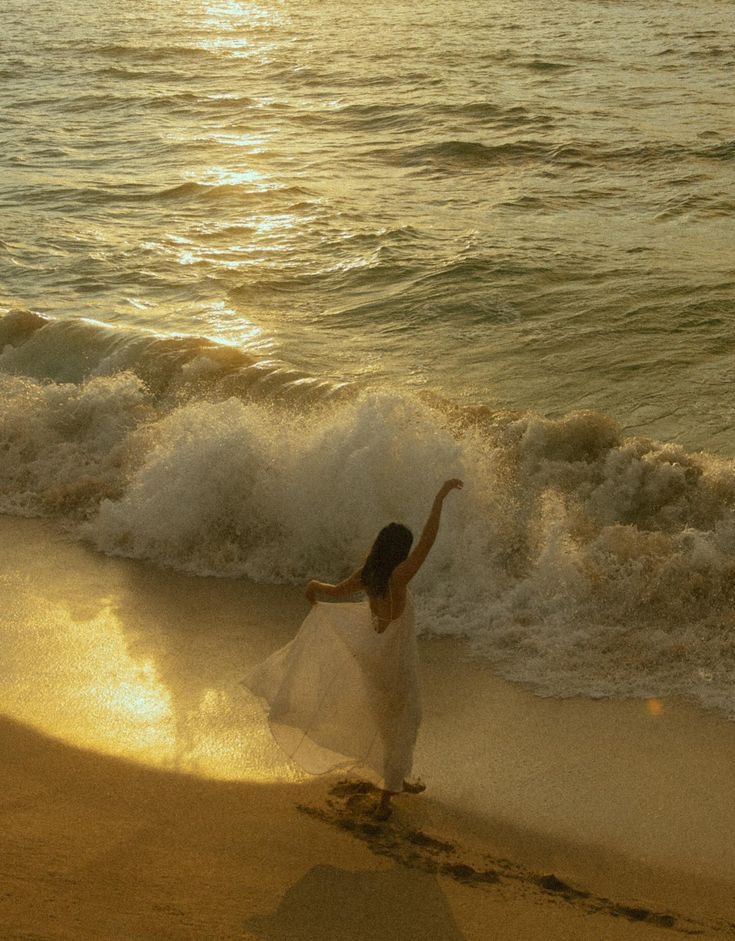
Solo travel at 22: how cheaply can I possibly get there?
Solo travel at 32: are the sheets good, and can I walk somewhere interesting from the front door?
Something shifts about traveling alone in your thirties.
Maybe you have more money than you did ten years ago. Maybe you have significantly less time. Maybe your tolerance for a fourteen-bed dorm has quietly evaporated and you're not looking for it.
Maybe half your friends are married, pregnant, deep in a career, or simply incapable of vanishing to Portugal on three weeks' notice.
Maybe you've just stopped being willing to wait.
And maybe you've figured out that traveling alone doesn't have to mean backpacking, being relentlessly social, or proving anything about your independence.
It can just mean: I want to go, so I'm going.
In a lot of ways, this is when solo travel gets good.
01 · You stop waiting for four calendars to line up
This is probably the biggest one.
In your twenties, group trips somehow assemble themselves. Five people find a cheap flight, everyone sleeps wherever, nobody has firm plans next month anyway.
Then life gets complicated.
Someone has a toddler. Someone can only travel during school holidays. Someone is saving for an apartment. Someone has twelve vacation days left and four of them are already spoken for. Someone's partner doesn't want to come. One wants a resort, one wants a hostel, one can afford it but can't get the time off.
Organizing a trip for four adults starts requiring the coordination of a minor military operation, and it usually collapses somewhere around the third group chat.
At some point the math becomes obvious: if you keep waiting for someone else to be free, you'll wait years to go somewhere you could go next month.
So you book it.
02 · You actually know yourself now
Not completely. Nobody turns 30 and receives a certificate confirming they've been solved.
But you've collected data.
You know you hate packed itineraries. That you're useless before 9 a.m. That you need a real breakfast, not a croissant eaten while walking. That three museums in one day will make you miserable and slightly mean. That you love walking. That clubs stopped being fun around 2019. That you need an afternoon alone even when you're traveling with people you adore. That a beautiful room genuinely matters to you, or that it genuinely doesn't as long as the place is interesting.
Knowing this makes solo travel dramatically easier.
Because when nobody else gets a vote, knowing your own preferences turns out to be the entire skill.
03 · Your standards are higher, and that's not a character flaw
You once took an overnight bus to save twenty-three euros.
The woman you are now would pay the twenty-three euros. Possibly forty.
That's growth, not softness.
Solo travel in your thirties doesn't have to mean luxury. But most women hit a point where they're no longer interested in suffering unnecessarily for the anecdote.
You want a private room. A mattress that isn't hostile. A direct flight. A taxi at midnight instead of a forty-minute walk with your bag. A neighborhood you actually want to be in. Dinner chosen for the food rather than for costing the least.
None of that makes the trip less adventurous.
Comfort and adventure were never opposites. You can sleep in excellent sheets and still have no idea what tomorrow holds.
04 · You've lost patience for things you're supposed to do
You arrive in Rome. Everyone says you have to see a particular thing. You look at it online and feel nothing.
Great. Don't go.
One of the real privileges of getting older is understanding that nobody is grading your vacation.
You don't need the top ten attractions. You don't need photographic proof from every viewpoint. You don't have to love the city everyone else loves. You don't have to maximize a single day.
You can spend four hours at lunch. Visit exactly one museum. Go to the same café three mornings running. Read by the sea all afternoon and skip the thing in the guidebook.
The trip is yours. There's no report due at the end.
If that freedom is the point, these things to do alone while travelling are the kind that get better when nobody else gets a vote.
05 · More money, less time, different priorities
At 21 you may have had six weeks and no money. At 35 you might have money for the good hotel and exactly seven days to use it.
That makes time the scarce resource, which changes things.
Not in the grim we must maximize every minute way. Almost the opposite. It makes you selective.
If you only have four days somewhere, spending one of them on things you don't care about because a listicle told you to feels genuinely absurd.
So the question changes. Not what am I supposed to see but:
What would actually make this trip worth remembering?
That's a much better question, and it usually has a shorter answer.
06 · Being seen alone stops meaning anything
Not entirely. Walking into a beautiful restaurant and saying "table for one" can still produce a two-second flicker.
But something shifts in your thirties.
You've accumulated enough experience of doing things independently that being alone in public loses its charge. Coffee alone. Museum alone. Train alone. Beach alone. Dinner alone. Long flight alone.
You're not waiting for anyone. You're not between people. You're just there, doing the thing.
Once that distinction settles, solo travel gets significantly more pleasant, because the only person who ever thought it needed explaining was you.
07 · You don't need to make friends every night
This might be the sharpest break from the classic backpacking version of solo travel.
At 22, a successful night meant meeting twelve people from six countries and somehow dancing until 4 a.m.
At 32, a successful night might mean excellent pasta, a slow walk back, and being asleep by 10:45 with the window open.
Both count. Neither is a failure of nerve.
You can still meet people. You can still have a chaotic night. You can still make a new best friend in a bathroom line, and it will still be great.
But the pressure to convert every evening into a social event is gone.
And you get much better at telling the difference between I'm lonely and I'm alone and having a genuinely excellent time.
08 · When you do want people, you want them differently
Not wanting the hostel pub crawl doesn't mean spending seven days talking exclusively to hotel receptionists.
Connection in your thirties tends to look like a cooking class. A surf lesson. A small-group hike. A wine tasting. A day at a coworking space. A communal dinner. A workshop. A good walking tour. A conversation at the bar with someone whose last name you'll never learn. Another woman traveling alone who becomes your dinner plan.
You can build social contact into a trip without building the entire trip around it.
That's the balance most women are actually looking for, and almost nobody writes about it.
09 · You get very good at leaving
Restaurant isn't good? Leave. The date is off? Leave. The tour isn't what you thought? Slip out at the next stop. Don't like the neighborhood? Move. Booked five nights and hate it? Change the booking and eat the fee. Said yes and now want to say no? Say no.
One underrated benefit of age is having accumulated enough evidence that changing your mind almost never causes anything to collapse.
This matters especially for women traveling alone.
You do not have to stay somewhere because leaving might look rude. You don't need proof that a situation is bad before deciding you're done with it.
Wanting to leave is the whole reason.
10 · You've stopped trying to look fearless
Good. Fearlessness is a terrible goal for solo travel.
Being alone in another country doesn't require pretending nothing worries you. It requires making decent decisions and then getting on with your evening.
You check how you're getting home before you go out. You don't take the empty shortcut at midnight because the map says it saves six minutes. You pay for the taxi. You tell someone which trail you're on. You leave the moment something feels wrong, without a justification.
Adventure and recklessness were never the same thing.
And one of the nicest realizations of this decade is that you don't need danger to make something an adventure.
11 · You can finally follow curiosity
Not financially. Mentally.
When you're younger, travel becomes a checklist, partly out of scarcity. You don't know when you'll ever come back, so you have to see everything, so you spend four days sprinting.
In your thirties you start to trust that this isn't your last trip. You can leave things unseen.
That's what makes room for the good part.
Take the strange road. Walk toward the tower. Get off one stop early. Go into the tiny museum with nine visitors. Follow the path along the water and see where it ends.
This is one of the ideas behind JUNO PORTALS.
JUNO PORTALS creates location-based experiences for women travelling alone, connected to real places. You find a portal on the map. You can see where it is. The experience unlocks once you physically get there.
Maybe there's a story waiting. A challenge. A woman. A secret. A choice. Something to notice. Something to do.
Adventure that doesn't require throwing yourself out of a plane.
Sometimes all it takes is a point on a map and the thought: there is something there.
12 · Adventure has no age cutoff
There's a persistent cultural idea that spontaneous travel belongs to your twenties, and afterward you're supposed to become sensible. Nice hotels. Organized trips. Full knowledge of where you'll be on Thursday.
Nothing wrong with any of that.
But stability doesn't have to eliminate uncertainty.
You can have a career and still book the flight. You can own serious skincare and sleep in a tent. You can love five-star hotels and get thoroughly lost on foot. You can be married and travel alone. You can be a mother and travel alone. You can have real responsibilities and still disappear for four days.
Getting older doesn't require making your world smaller.
It just makes you pickier about which adventures deserve the time.
13 · You start thinking about value, not price
Cheap travel can be fantastic. But there's a difference between choosing something inexpensive and organizing your entire trip around spending the absolute minimum.
Sometimes the eight-euro taxi is worth it. Sometimes the direct train is worth it. Sometimes the room with the balcony is worth it. Sometimes the seventy-euro dinner becomes the thing you're still describing to people a year later.
Money is personal, and spending more doesn't automatically buy a better trip. Plenty of expensive trips are boring.
But this decade brings a useful shift in the question. Not what's the cheapest option but what is worth paying for here, and what isn't?
Those answers belong to you and nobody has to agree with them.
14 · Solitude means something different now
Being alone at 21 and being alone at 35 are not the same experience.
In your twenties, solitude can feel like a problem to solve. Where is everyone? What's happening tonight? Am I missing it?
Later, a quiet hotel room can feel like an outrageous luxury. Nobody needs anything from you. Nobody is asking a question. Nobody has a preference about dinner. You can hear yourself think for the first time in weeks.
Solitude can still tip into loneliness. That doesn't go away.
But you get better at recognizing that being alone isn't an empty space waiting to be filled.
Sometimes it's the entire reason you booked the trip.
15 · You don't need a dramatic reason
You don't have to be heartbroken. You don't have to quit your job. You don't have to be finding yourself. You do not require an Eat, Pray, Love level crisis to justify a plane ticket.
You can go to Athens because you want to see Athens. Spend four days in Paris because the flight was cheap. Learn to surf in Portugal because it sounds fun. Book a room in Rome and eat pasta for a weekend with no larger meaning attached.
There doesn't have to be a before and after.
Wanting to go is a complete reason to go.
The One Real Risk of Traveling in Your 30s
You get extremely good at making life comfortable.
You know your airline. You know what kind of hotel you want. You know which neighborhood to book. You research the restaurant, save the cafés, read the reviews, book the transfer, download the map, build the itinerary.
And then you arrive somewhere having already eliminated every unknown.
Everything works. Everything is nice. Nothing surprises you.
That's the part worth resisting. Not comfort. Predictability.
Keep the good hotel. Take the taxi. Make the reservation.
But leave something unanswered. One morning. One road. One neighborhood. One conversation. One place you haven't already seen forty photos of.
Because the best version of solo travel in your thirties isn't traveling like you're 22 again.
It's keeping everything you've learned since then, the money, the standards, the judgment, the boundaries, the confidence, the good sheets, without losing your willingness to wonder what's over there.
Is 30 Too Late to Start Traveling Alone?
No. Neither is 35, 40, 50, or 60.
There is no secret window during which women are permitted to board planes by themselves, and you have not missed it.
You also don't have to start with three months in Bali.
Book three nights somewhere. Take the train. Go to a city you've wanted to see for years. Stay somewhere you actually like. Give yourself one thing to do on day one, then leave the rest open.
The first solo trip is almost always the hardest one to book. After that something changes.
Not because you've become a different woman. Because the next time you think I'd love to go, but nobody can come, you already know how that sentence ends.
You can.
Questions about solo travel in your 30s
What is different about solo travel in your 30s?
Solo travel in your 30s often comes with different priorities: less time, higher standards and a clearer sense of what you actually enjoy. Many women become more selective about accommodation, activities and how they spend their time while still wanting independence, curiosity and adventure.
Is 30 too late to start travelling alone?
Thirty is not too late to start travelling alone. A first solo trip can begin with a few nights somewhere you genuinely want to visit, comfortable accommodation and one simple plan for the first day, with the rest left open.
What does JUNO PORTALS add to solo travel in your 30s?
JUNO PORTALS gives women travelling alone location-based experiences to discover without requiring a packed itinerary. Travellers find portals on a map, go to the real-world location and unlock an experience connected to that place.
Your room can be nice.
The adventure can still be unknown.
JUNO PORTALS creates location-based experiences for women travelling alone in real destinations.
Find one on the map. Go there. The experience unlocks when you arrive.
No dorm room required.
There is something there. Go find it.